
Website copywriting services that help the right customers choose you
Your website may explain what you do, but still leave potential customers unsure whether you are right for them.
I write and structure website pages so the right people can understand your offer, trust your work and know what to do next.
For businesses that are tired of explaining the same thing in every conversation.
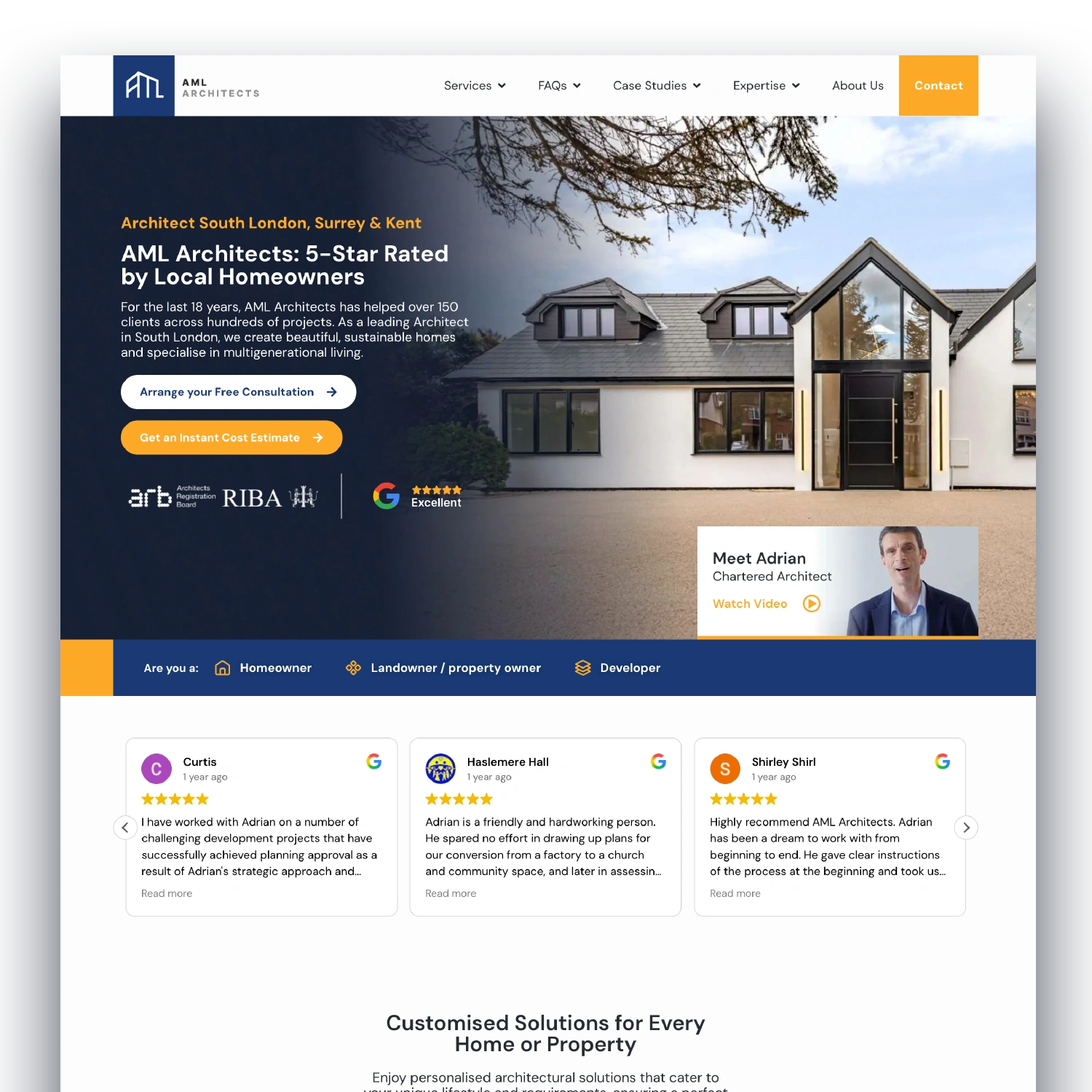
AML Architects Website Copy
Your website may contain all the information — and still leave people confused
You understand your business because you live with it every day. Your customers do not have that background.
They may not understand what makes your service different, whether you are right for their situation or what they should do next.
That is when a website starts creating more questions instead of confidence.
I turn your expertise into pages people can understand
I look at what your customers need to know before they feel ready to contact you.
Then I shape the page around those questions, your strongest proof and the decision you want the visitor to make.
The result is not just better-sounding copy. It is a clearer route from finding your business to understanding why it may be the right choice.
Website copy should help someone make a decision
Website copywriting is often reduced to finding nicer words for a page that already exists.
Sometimes that is all a page needs. But for specialist and professional businesses, the harder problem usually comes earlier.
Before writing, I need to understand what decision the page is helping the visitor make.
Are they deciding:
•whether they have found the right type of business;
•whether the service applies to their situation;
•whether the business has solved a similar problem before;
•whether the difference is worth paying for;
•whether they feel comfortable making contact;
•or whether they should choose a different route altogether?
The copy should then be built around that decision.
This changes what gets written, what gets removed and where the proof appears.
It may mean bringing a customer question much earlier. It may mean explaining a service in plain English instead of repeating an internal business term. It may mean showing a relevant project before listing every capability. It may mean explaining what the first conversation is actually like.
The page becomes less like a company brochure and more like a clear route through an important decision.
The writing starts with understanding the business and the customer
I do not want to write a page that sounds professional but says the same thing as every competitor.
Before drafting, I look at the gap between what the business knows and what a new customer can understand.
1. Understand the business you want the page to support
What do you actually want more customers to contact you for?
Which services matter most? Which projects represent the kind of work you want to attract? What do you want the business to become easier to choose for?
A page cannot sell a clear offer if the offer itself is still blurred.
2. Understand the customer’s starting point
What does the visitor already know? What problem are they trying to solve? What might they be worried about? What are they likely to compare?
The customer may not describe their need using the same language as the business. I look for the question underneath the search or enquiry.
3. Find the points where confidence drops
Where do people hesitate? What do they ask repeatedly? What do they misunderstand? What do they need to see before they feel ready to speak to you?
These points often show where a page needs more explanation, stronger proof or a different order.
4. Identify the proof already available
Your proof may be hidden in completed projects, photographs, films, testimonials, your process or the explanations you keep repeating in meetings.
I identify which evidence matters to the customer and where it should appear.
5. Check how people search for the subject
Search terms can show how people describe the problem and what kind of help they are looking for.
I use search research as a useful signal, then check the actual search results and the intent behind them. A keyword with volume is not automatically useful if it attracts the wrong person or forces the page to promise a service you do not really provide.
Search helps people find the page. The page still has to help them decide.
What the copywriting helps you fix
Depending on the project, website copywriting services can include:
A vague offer
Visitors cannot quickly tell what you do or who it is for.
Unclear service pages
People see a list of services but do not understand which one they need.
Too much business language
The page makes sense internally but not to a new customer.
Hidden proof
Your best work and experience are not appearing where people need reassurance.
A weak next step
Visitors are interested but unsure what happens if they contact you.
You leave with more than a page of polished sentences
The exact scope depends on the project, but the work should give you something useful to build with.
Depending on your needs, you may receive:
•copy for agreed priority pages;
•a clear purpose for each page;
•recommended page structure and message order;
•page titles, headings and supporting copy;
•clearer service and offer descriptions;
•customer questions for the page to answer;
•relevant search themes to guide the wording;
•calls to action and next-step guidance;
•recommendations for where proof, images, video or case studies should appear;
•notes on gaps that need information or evidence from you;
•a content direction for future pages or articles.
The point is not to fill your website with more words.
The point is to make the words you do use carry more of the work: explaining the offer, reducing uncertainty and helping the right customer move forward.
Important scope note
Website copywriting is not a promise of rankings, enquiries or sales. Search visibility also depends on competition, technical setup, authority, links, location, time and the quality of the wider website.
Where keyword research, technical SEO, design, development, photography or video are needed, those should be scoped clearly rather than quietly assumed to be included.
A bigger website can still leave customers confused
When a website feels incomplete, the obvious answer is often to add more pages.
Another service page. Another article. Another section explaining the business.
But more pages do not automatically create more understanding.
If the core message is unclear, a larger website can give the visitor more places to get lost. It can also spread weak or repeated information across the site without answering the question that is actually stopping the customer.
I would rather begin with the pages that matter most:
•the page that explains the offer;
•the page that helps someone decide whether it is right for them;
•the proof that shows the work is credible;
•the page that explains what happens next.
Once those are doing their job, additional pages and articles can be added for real customer questions and relevant search opportunities.
Do not build more pages to make the website look complete. Build the pages that help the right people move forward.
SEO can bring someone to the page. The copy still has to earn the next step
Search research can help identify the words people use, the services they look for and the questions they ask before they know what to buy.
But placing a keyword into a heading does not make a page useful.
A search-aware page still needs to:
•match the intent behind the search;
•explain the subject more clearly than a generic page;
•show who the service is for;
•answer the next questions a visitor is likely to have;
•make the business’s experience believable;
•guide the visitor towards a sensible next step.
For example, someone searching for website copywriting services may not simply want words delivered in a document. They may have a website that looks finished but still leaves customers asking basic questions.
The useful page needs to speak to that underlying problem without pretending every visitor has the same one.
That is why I treat search as one part of the work, alongside customer understanding, offer clarity, proof and page structure.
Understand the decision. Shape the page. Give it something useful to do
I do not want to write a page that sounds professional but says the same thing as every competitor.
Before drafting, I look at the gap between what the business knows and what a new customer can understand.
1. Establish the page and its purpose
We agree which page or pages need attention, who they are for and what each page needs to help the customer decide.
2. Gather the business information
I learn about the service, your customers, your preferred work, your process, your competitors and the questions people keep asking.
You provide the information only you can provide: your experience, examples, restrictions, project details and the things customers often misunderstand.
3. Review the current experience
I look at the existing page, the wider website and any relevant customer-facing material. I identify what is unclear, missing, repeated or arriving too late.
4. Research the search and decision context
Where relevant, I review search terms and the actual results to understand how the subject is described and what a useful page needs to cover.
This is not about forcing every possible keyword into the copy. It is about making the page relevant to how people look for and judge the service.
5. Create the page direction and draft
I shape the page structure, message order, headings, body copy, proof points and calls to action.The draft should make sense as a complete route, not as a collection of individually polished sections.
6. Review and refine
You check the accuracy of the business information, service details and project examples. I refine the wording so it remains clear, specific and natural.
7. Prepare the page for use
Depending on the agreed scope, the copy can be supplied for your existing website, added into a design, or carried into a wider website project.
The copy should work with the rest of the customer experience
Website copy does not work in isolation.
A clear page can still struggle if the offer is unclear, the design hides the important message, the proof is difficult to find or the next step feels risky.
That is why this service can be used in several ways.
Priority-page copy for an existing website
Useful when the overall site is workable but important pages are not explaining the service clearly enough.
Content direction before a website build
Useful when you are planning a new website and want the structure and message settled before the design is built around assumptions.
Copy as part of the full website project
Useful when the offer, page structure, copy, visual direction and build need to be considered together.
Content that continues after launch
Once the core pages are clear, customer questions can become articles, case studies, videos and other useful content that supports future visitors.
If you are unsure which of these routes you need, the Customer Clarity Review can help identify the first problem to solve.
The work is grounded in real customer-facing projects
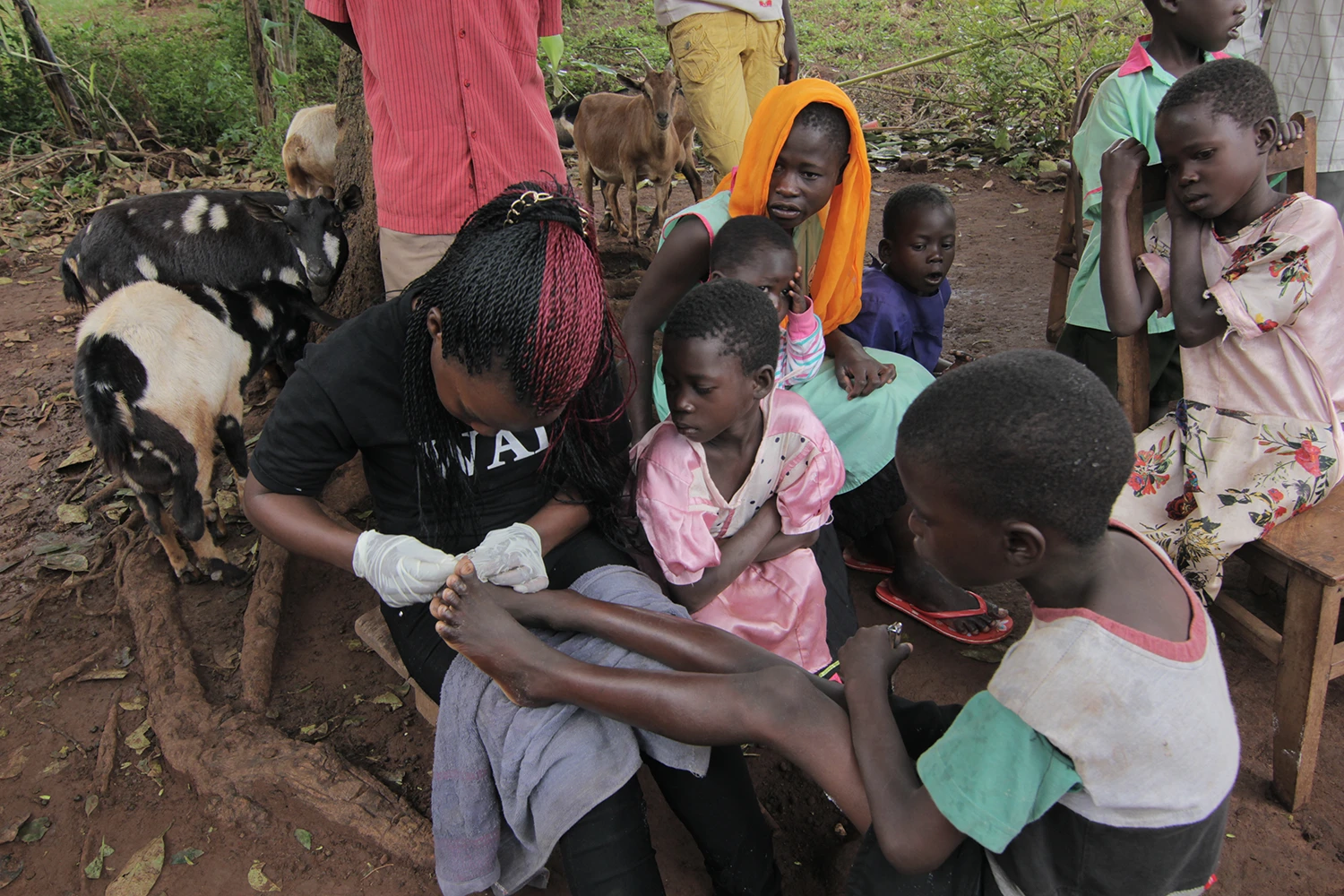
Project 1 — IRFF UK
Restructuring information around the people the charity needed to reach
For IRFF UK, Toby led the brand redesign, website redesign, messaging and strategy, marketing outreach and video content.
The project included restructuring the website and its messaging so the organisation could communicate more clearly with a UK donor audience.
What this shows: audience clarity, message structure, website content and the connection between strategy and customer-facing communication.
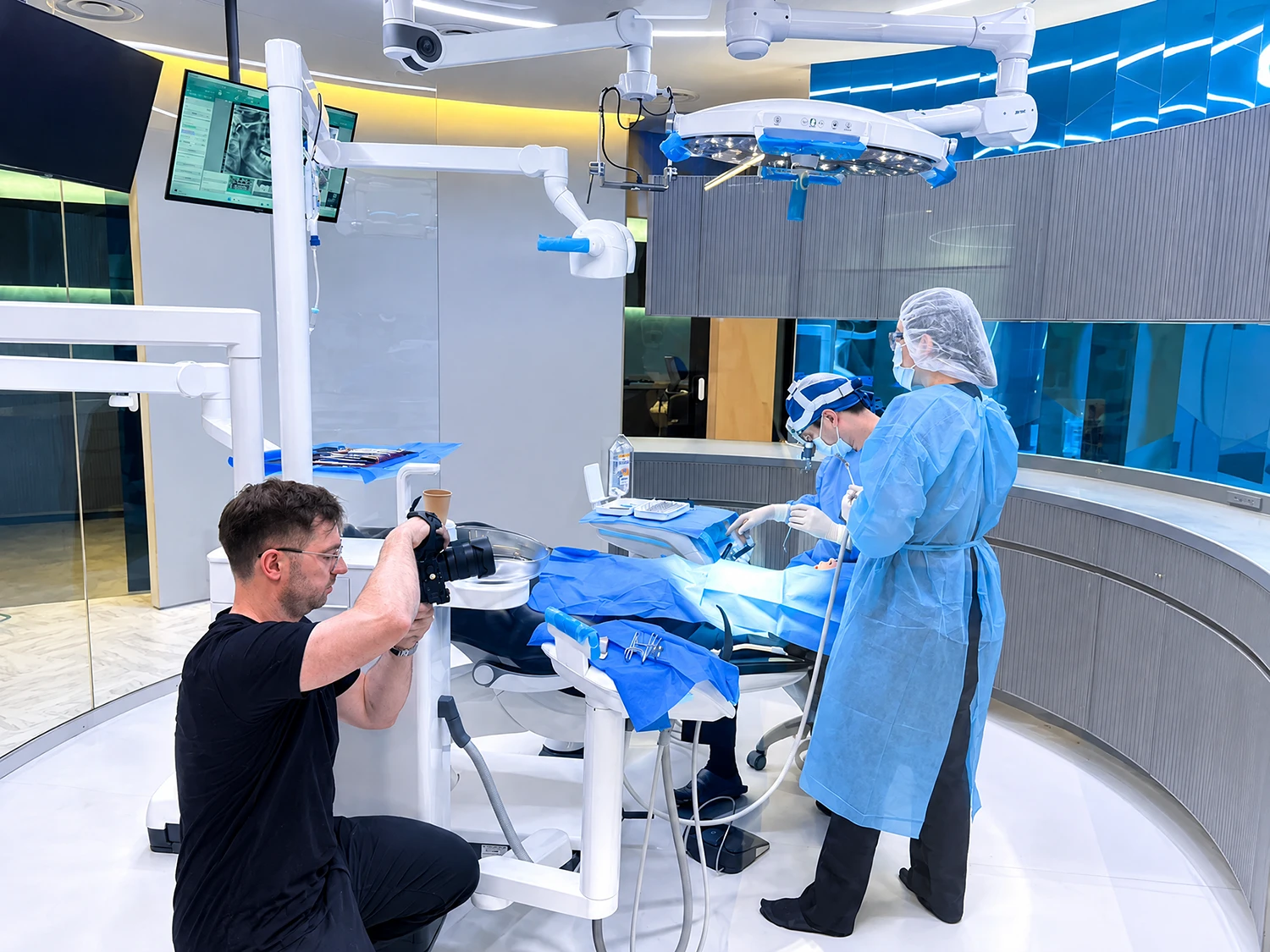
Project 2 — Lotus Dental Clinic
Presenting specialist care through clearer pages, films and visual proof
For Lotus Dental Clinic, Toby led the creative work across video, design and website projects.
The work included a specialist implant landing page, patient documentary, clinic and doctor films, photography and launch materials. The focus was to make specialist care easier for patients to understand and to give the clinic a clearer way to present its experience.
What this shows: high-consideration service communication, patient-facing explanation, website messaging and proof through film and photography.
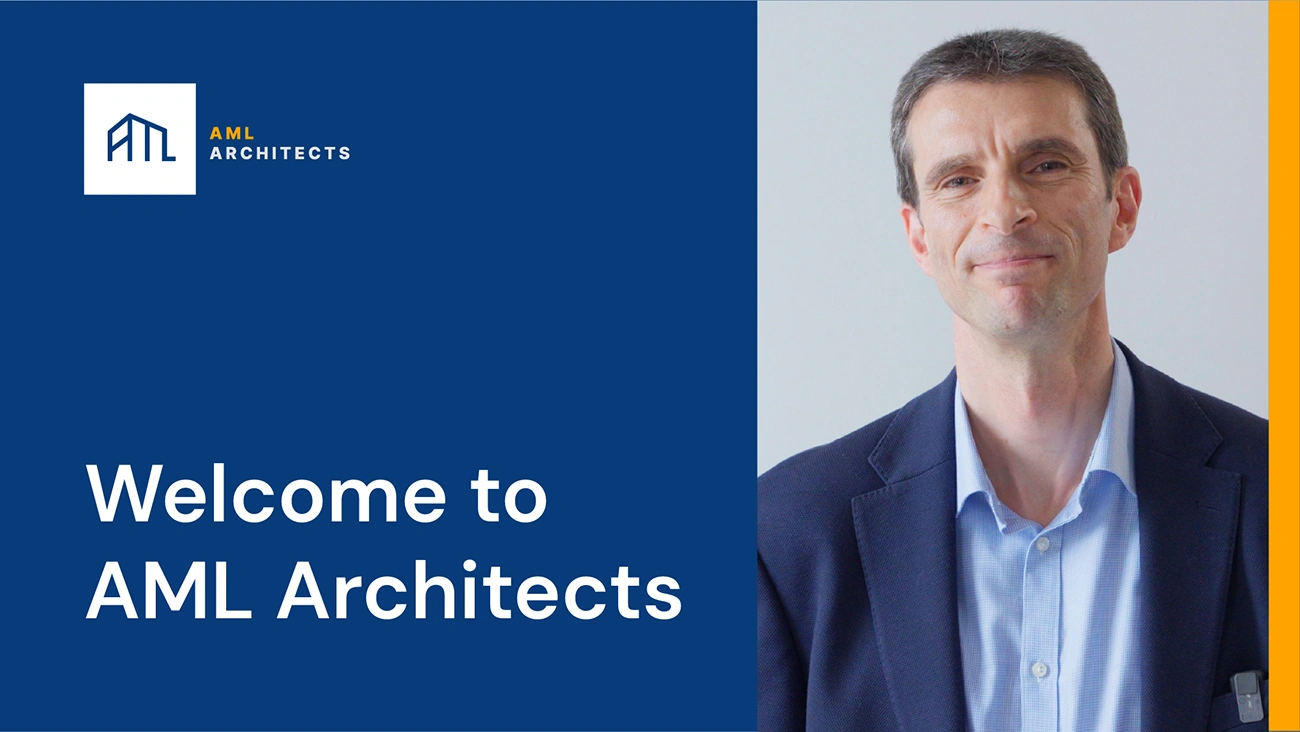
Project 3 — AML Architects
Making architectural expertise easier to follow
For AML Architects, Toby led the brand design, website design and video work.The project helped present the practice, its process and its expertise more clearly through identity, website content and introduction videos. The ongoing content direction is built around questions clients repeatedly ask and projects that can answer those questions.
What this shows: plain-English professional-services communication, clearer presentation of expertise and content built around real customer questions.
SEO for AML Architects was led by Natty at Join The Web. The work shown here does not claim SEO or ranking results.
For businesses with valuable work that customers do not quickly understand
Website copywriting may be useful if:
your website looks finished but still leads to basic questions;
your service is complex, specialist or difficult to explain in one sentence;
customers compare you mainly on price;
your pages describe what you do but not why it matters to the customer;
your best projects are not helping new visitors trust you;
you keep rewriting the same explanations in emails and sales calls;
you are launching a new service or changing the direction of the business;
your website has grown page by page without a clear message hierarchy;
you need copy that can work alongside a new website design;
you want content that is clear enough for referrals, search and social media visitors.
This can suit specialist businesses, consultants, architects, clinics, charities and other professional-services organisations whose value is not immediately obvious from a short description.
It is probably not the right fit if you only need proofreading
This service is not simply a grammar check or a quick rewrite of text you have already approved.
It is also not a promise to make an unsuitable offer rank, or a replacement for technical SEO, paid advertising, complex development or specialist legal and regulated copy review.
If the underlying offer is unclear, the most useful first step may be the Customer Clarity Review or brand strategy and messaging rather than copywriting alone.
Not sure what your website needs?
Tell me what feels unclear, what customers keep asking and where you think people are dropping off. I’ll help you work out whether the problem is the copy, the page structure or something else.
Know something is wrong, but not what to fix?
Start with the Customer Clarity Review. It looks at how your business is found, understood and judged before recommending whether the first fix should be the copy, the offer, the website structure, the proof or a combination.
Website copywriting can be a focused service for an existing website or part of the wider Sudavisuals process from offer clarity through to website and content.

Toby Suda - Sudavisuals
Website copywriting questions
A website copywriter plans and writes the words on a website. That can include page structure, headings, service descriptions, calls to action, customer questions, proof and supporting content.
At Sudavisuals, the work also looks at the decision the page needs to support. The aim is not simply to make the words sound polished. It is to help the right visitor understand the offer and know what to do next.
Website copywriting usually focuses on pages that help a visitor understand a business and take an action, such as a homepage, service page or landing page.
Content writing can include articles, guides, case studies, video scripts and other material that answers questions or builds understanding over time. The two can support each other, but they do different jobs.
I can use relevant search research to guide the page subject, wording, headings and supporting questions. I also review the actual search intent rather than placing keywords into a page without context.
This does not guarantee rankings. Search performance depends on the wider website, competition, technical factors, authority and time.
No. I can work from existing copy, a rough document, a conversation or a blank page.
The amount of research and planning depends on whether the problem is mainly wording or whether the offer, audience and page structure also need clarification.
Yes. Website copy can be created before the design is built, which often makes it easier to create a structure around the customer’s needs rather than forcing the copy into a template afterwards.
It can also be included within a wider website project alongside strategy, design and build.
The cost depends on the number of pages, the amount of research required, whether the offer needs clarification and whether the copy is being supplied for an existing website or developed as part of a wider project.
I would rather understand the page and the problem first than quote a price based only on word count.
You will usually need to provide information about the business, services, customers, preferred work, process, project examples and any restrictions or claims that need checking.
You do not need to arrive with perfect wording. That is part of what the process is for.
That is common. If you know the website is not working but cannot tell whether the issue is the copy, offer, structure, proof or next step, start with the Customer Clarity Review.
It is designed to help identify what needs fixing before you pay for the wrong service.
Make it easier for the right customers to understand you
Your website should not depend on you being present to explain everything.If the value of your work is getting lost in the wording, message order or missing proof, tell me what customers keep asking and what you want the page to help them decide.