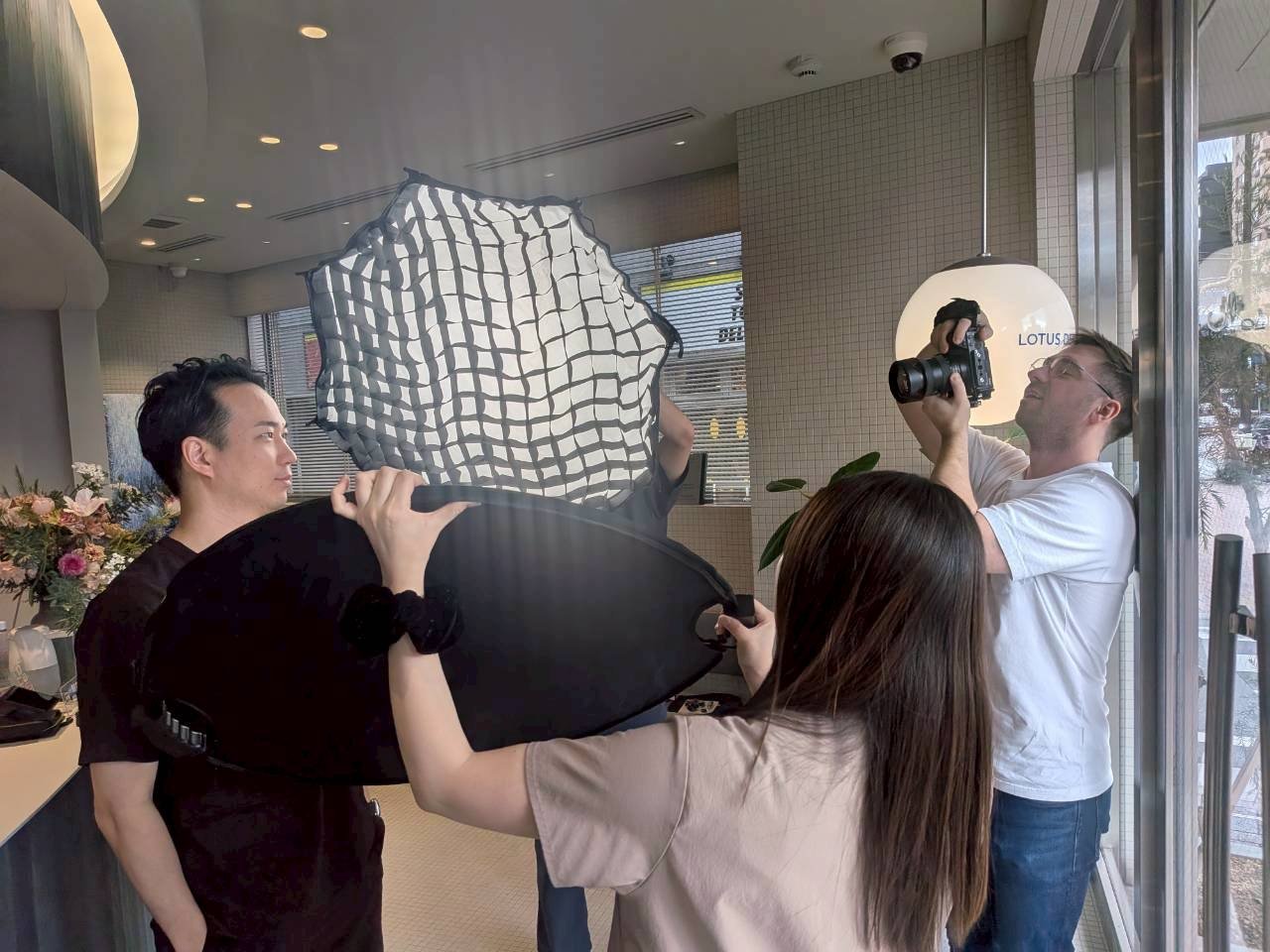
Case study video production for work that is difficult to explain.
Your work may be excellent. But if people cannot see how it relates to their problem, they may never get far enough to ask about it.
They see the finished project. They do not see the judgement behind it, the difficult decisions or what working with you would actually feel like.
I turn real projects, customer questions and expert thinking into video case studies and story-led content that make your value easier to see.
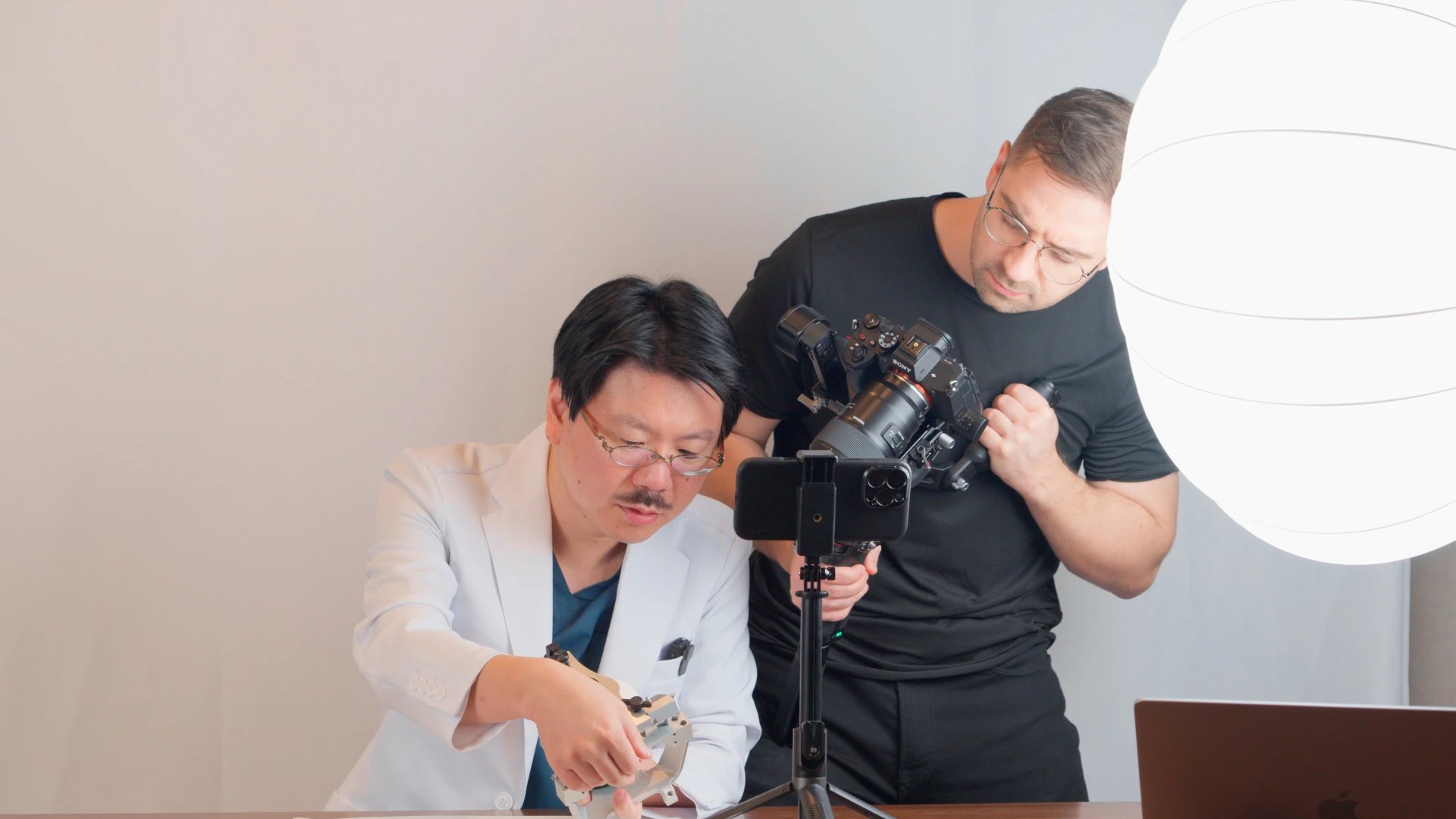
Video Production for Sugita Dental Institute
Your customer sees the result. They do not see why they should trust you to get there.
You may explain the same things every week:
why the project needed a particular approach;
what happens after the first enquiry;
what makes one option right and another wrong;
whether you have solved a problem like theirs before.
That explanation happens in meetings, emails and phone calls.
But the people who never enquire do not hear it. They see a service list, a few images and a finished result. Then they have to guess whether your experience applies to them.
That is the gap a good case study video can close.
It gives future customers a way to hear how you think, see how you work and recognise their own situation in a real story.
The problem may not be that your work lacks value. It may be that the value is still hidden inside the conversation.
Do not start with “What video should we make?” Start with “What is stopping people moving forward?”
The right story often begins with a question such as:
“Have you worked on a problem like mine before?”
“What would happen if I contacted you?”
“Why does your process work that way?”
“How do I know this is right for my situation?”
We identify the question, then connect it to a real project, customer experience or example of your work.
That is the foundation of the video content strategy. The camera is only the production tool. The useful part is deciding what the viewer needs to understand.
This is how content becomes more than a polished video. It becomes an answer to a real hesitation.
A finished project is not the whole story.
A useful case study shows the path to the result:
1. The situation
What the customer or organisation needed.
2. The difficulty
What made the problem complex, uncertain or important.
3. The decisions
What you had to consider and why.
4. The work
How you approached the problem.
5. The result
What changed, and what someone in a similar position can take from it.
The goal is not to cram every detail into one film. It is to answer one important question properly.
That might mean a customer story video, an expert explanation, a project film or a case study built around a patient, client, donor or stakeholder experience.
When the viewer can follow the story, they can start to imagine what it would be like to work with you.
The format follows the job the content needs to do.
Case study videos and case study films
A focused story showing the problem, the decisions, the work and the result. Useful when a future customer needs to see that you have handled a situation like theirs.
Expert video content
A clear conversation about a question customers repeatedly ask, supported by visuals from your work. Useful when your expertise is valuable but difficult to explain in a service list.
Project films
A visual presentation of a completed project, shaped around the thinking and detail that make the work meaningful.
Long-form video and social edits
One substantial conversation or case study can become a longer YouTube video, shorter social media content and supporting website material.
You do not need to choose the format before we understand the story. I can help you decide what will make the explanation clearest.
A clear process, without forcing every business into the same package.
1. Find the question
We look at what customers ask repeatedly, where they hesitate and what takes too much of your time to explain.
2. Choose the evidence
We find the project, customer experience or example that can answer the question honestly.
3. Shape the conversation
I plan the story and guide the questions so the explanation feels natural rather than scripted.
4. Record or film
The production may be remote and simple, or more considered with filming, interviews, supporting footage and a stronger visual treatment.
5. Edit and adapt
I shape the clearest version, then create the agreed formats for your website, YouTube, social media or sales conversations.The production level changes from project to project. The thinking comes first every time.
Give the explanation more than one chance to be heard.
The finished content can support:
a service page where customers are deciding whether you are right for them;
a sales conversation where the same questions keep coming up;
a YouTube channel built around useful, searchable explanations;
social media posts that give people a reason to visit your website;
a proposal, presentation or pitch where proof matters;
future customer questions that deserve a clear answer.
This does not mean turning one video into endless filler. It means making the original thinking useful in the places your audience already looks.
Specialist work needs more than a polished montage.
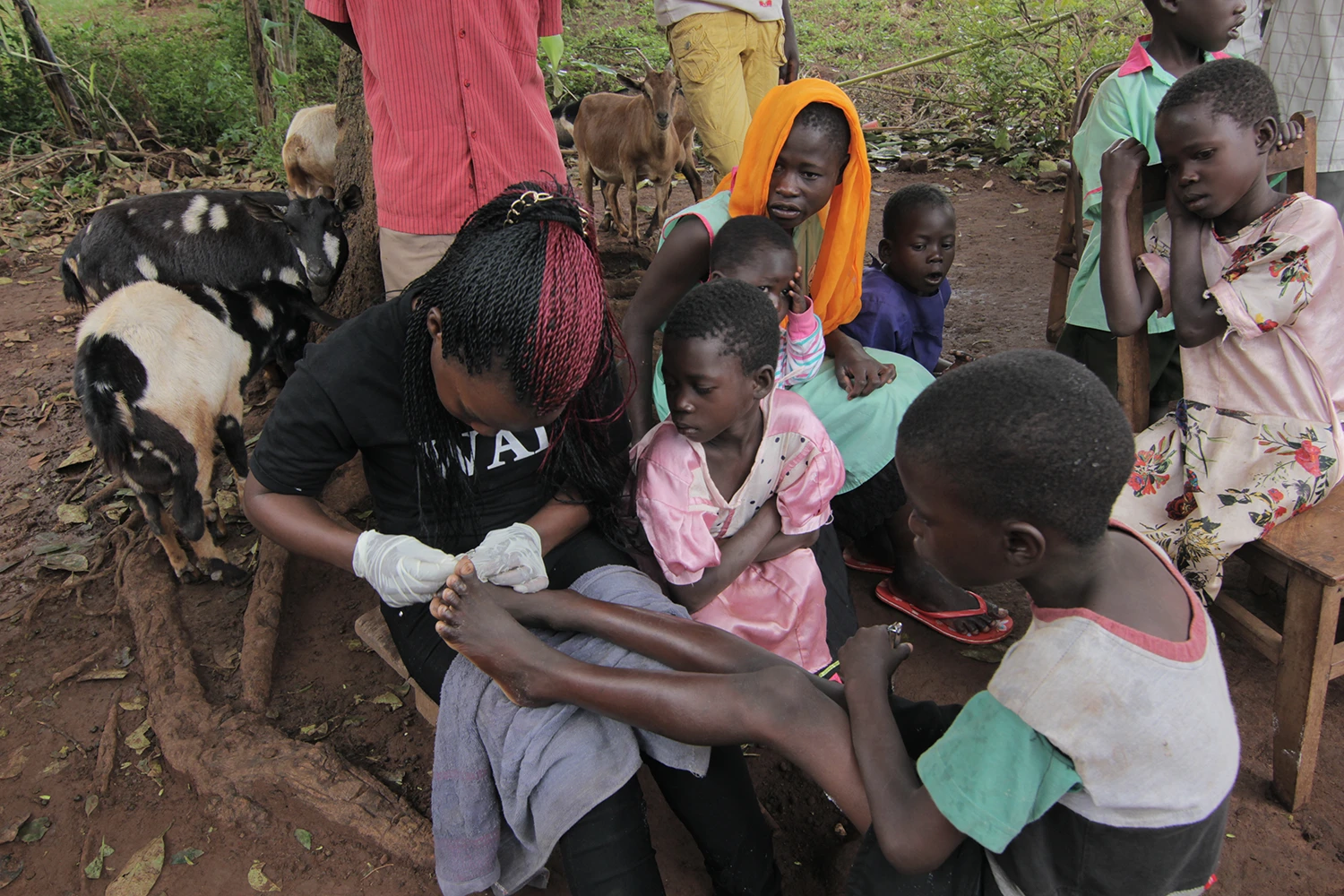
Project 1 — IRFF UK
Donor and project videos that communicate the people, places and work behind the organisation.
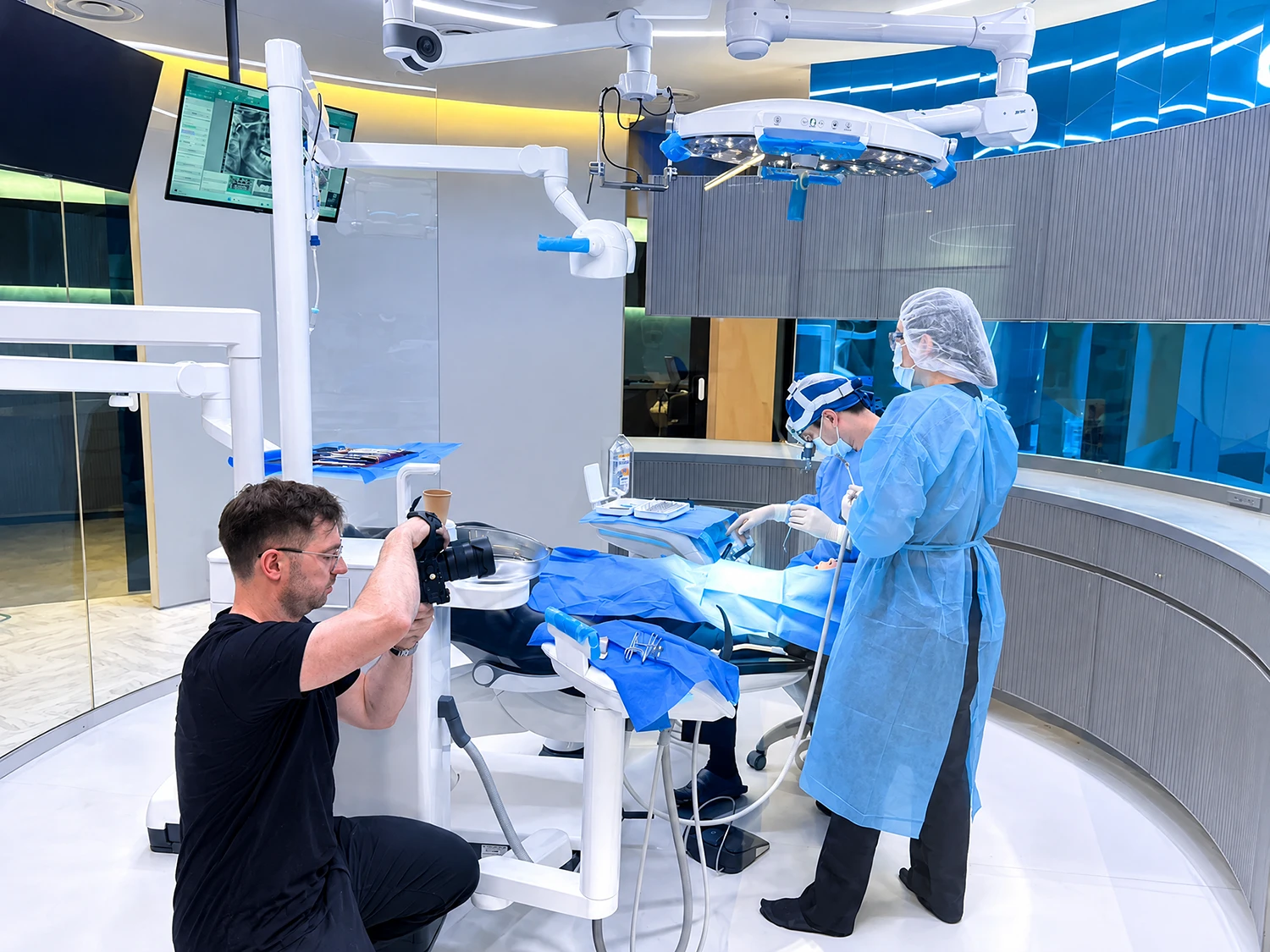
Project 2 — Lotus Dental Clinic
Patient documentaries, clinic films, doctor films and visual content for specialist care that is difficult to judge from a service list alone.

Project 3 — AML Architects
Brand, website and explanation videos that make an architect’s expertise easier to follow.
The next phase is testing a question-led format: using real client questions and completed projects to create a longer case-led video and shorter social edits.
Sometimes you do not need a video yet. You need to know what the customer is missing.
Before producing anything, it may be more useful to find out:
what people fail to understand;
where confidence drops;
which service or project needs explaining;
whether the answer is a video, a case study, a photograph or a clearer page.
If you know something is getting in the way but do not know what to fix first, the Customer Clarity Review is the place to start.
What do people need to understand before they can say yes?
Tell me what customers keep asking, what takes too long to explain or which project you wish more people understood properly.
We can then work out whether the right answer is a video case study, a customer story, an expert explanation, a project film or something simpler.